Isotype (picture language)
Isotype
(International System of Typographical Picture Education)
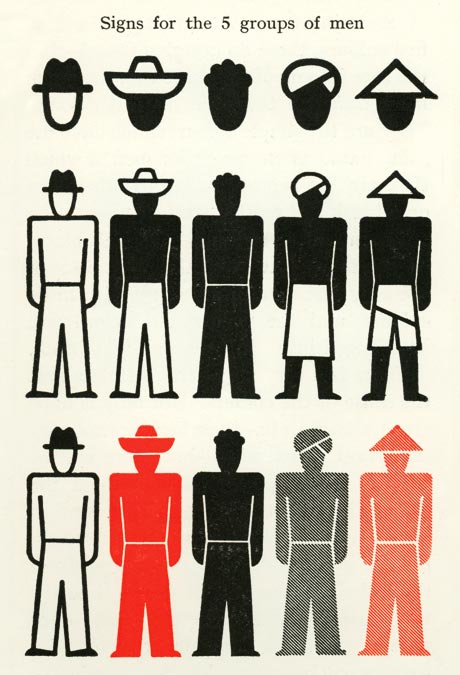
A visual program for displaying facts and quantative information, the ISOTYPE system was born from research and theories of Otto Neurath (1882-1945), a Viennese philosopher, economist and social scientist. As a child he was fascinated by the function of Egyptian hieroglyphics--their forms and ability to communicate story.
In 1925 Neurath, while head of a housing museum, initiated The Social and Economic Museum of Vienna. The museum's purpose was to educate the general public about post-war housing by creating displays of social information. The new venue afforded him an opportunity to showcase his intellectual and educational ideals using his symbol-based language -- an alternative to written language.
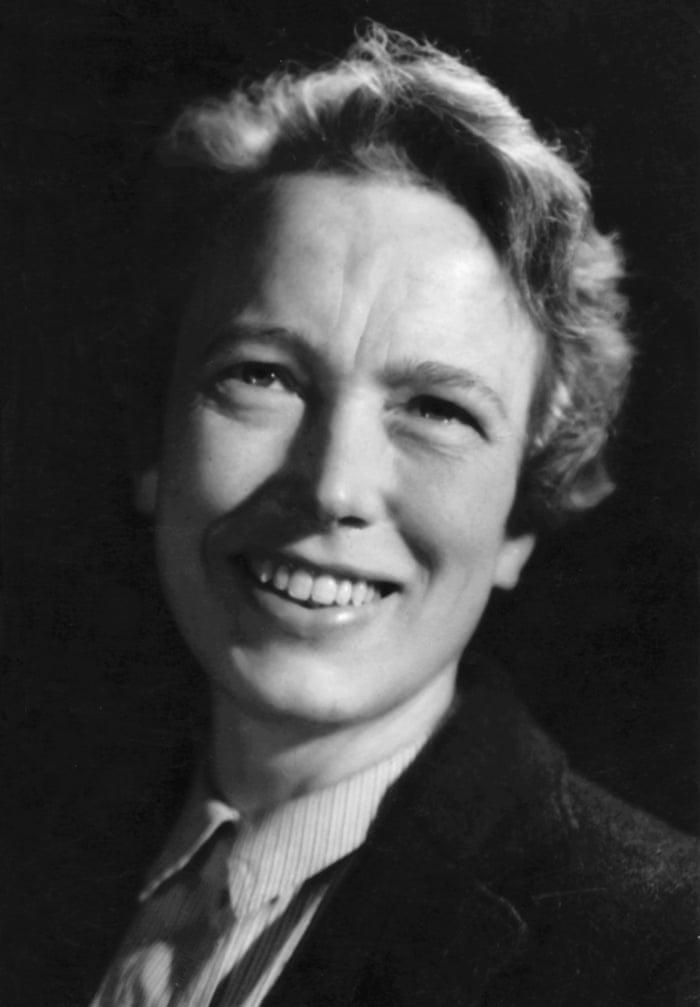
While working at the museum, Neurath began his collaboration with Marie Reidemeister, who would later become his wife. Reidemeister was educated as a physicist, mathematician and also had attended art school. She and fellow senior transformer, Friedrich Bauermeister, organised the information into comprehensible formats, in a role that would be described today as a graphic designer.
 |
| Otto Neurath |
 |
| Marie Reidemeister |
She is credited with inventing the name Isotype (International System of TYpographic Picture Education) to replace the redundant phrase "Vienna Method" formerly used for their work. She accompanied Otto Neurath, who was both Jewish and a Social Democrat, to England but Gerd Arntz remained in the Netherlands. They married and established the Isotype Institute in Oxford to continue their work. After the death of Otto Neurath in 1945 she became well known in her own right as the author illustrator of a popular series of colourful childrens' book which had a great influence on children growing up in the postwar years.
After her retirement in 1971, she gave the working material of the Isotype Institute to the University of Reading, where it is housed in the Department of Typography & Graphic Communication as the Otto and Marie Neurath Isotype Collection. She devoted her retirement to establishing a record of Otto Neurath’s life and work, and editing and translating his writings. She died in London on the 10 October 1986.

Sources:
http://www.designhistory.org/Symbols_pages/isotype.html
https://herron-co.com/blog/2017/06/design-legends-three-otto-neurath-gerd-arntz
https://www.neboagency.com/blog/otto-neurath-and-the-untold-history-of-the-infographic/
http://www.holywellhousepublishing.co.uk/Neurath.html


Comments
Post a Comment